
Fungicide Treatment
for North Texas Lawns
Stop Lawn Fungus Before It Spreads
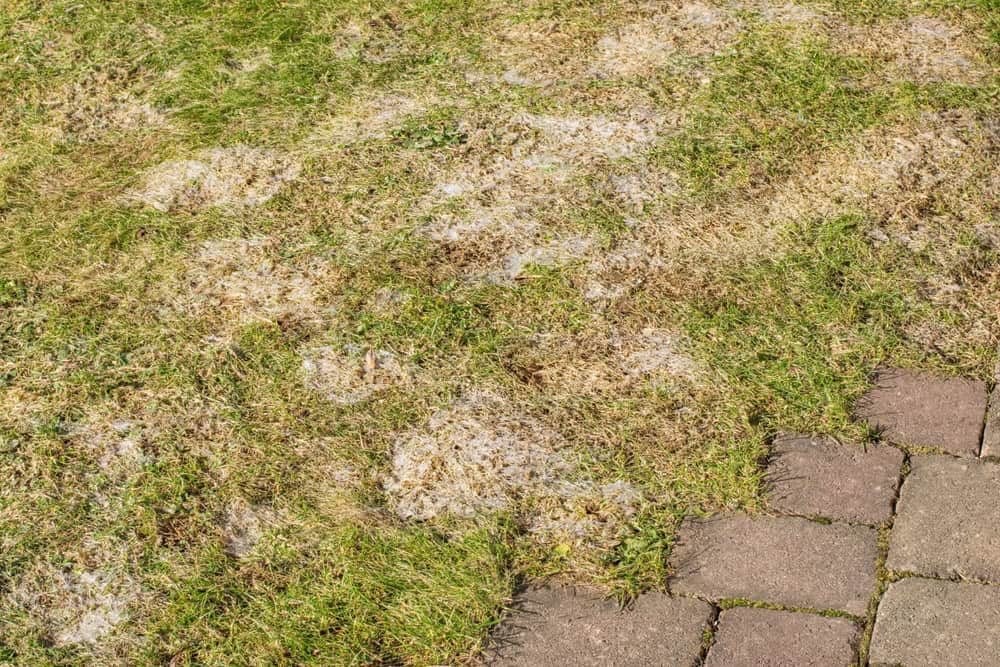
Brown patch, dollar spot, and other lawn fungus diseases can destroy months of lawn care work in just days. These fungal infections spread quickly during North Texas' hot, humid summers and wet spring seasons.
North Texas Lawn Solutions provides professional fungicide treatments to stop fungus before it takes over your lawn. Brian Milliken, Texas Department of Agriculture licensed professional, knows how to identify and treat the most common lawn diseases in our region.
Call (214) 995-9369 for a free quote.
Common Lawn Fungus in North Texas
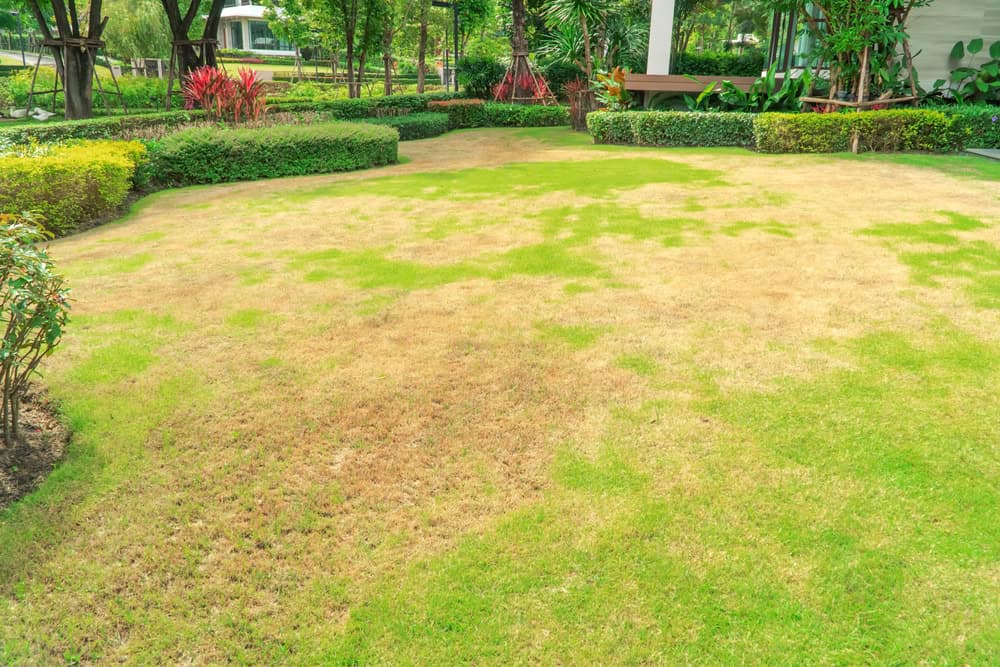
Brown Patch (Rhizoctonia solani)
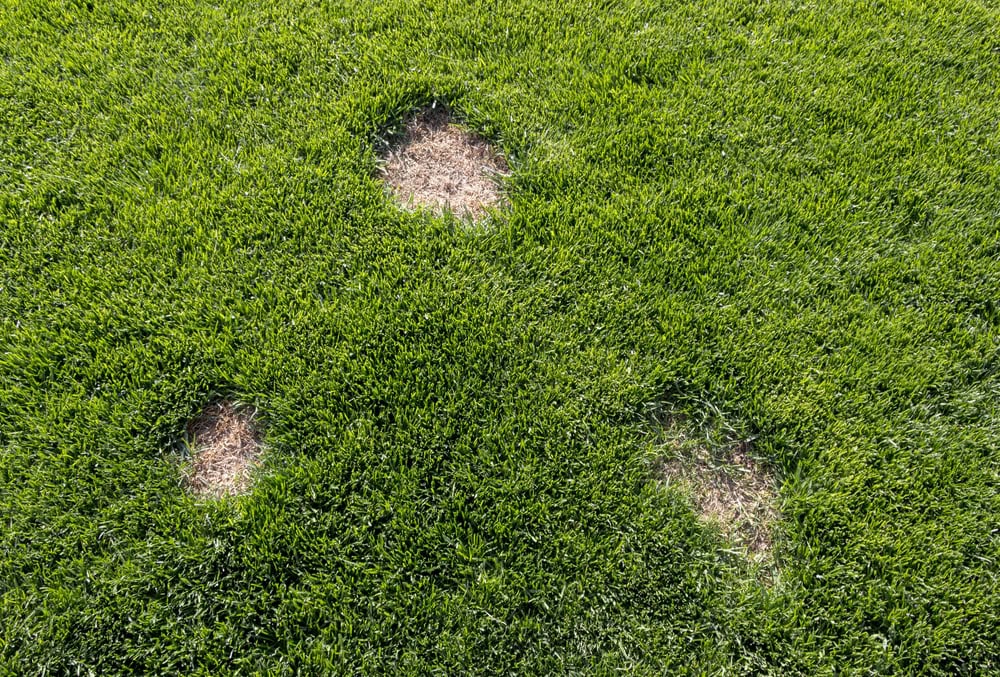
Most common lawn fungus in North Texas. Appears as circular brown patches 1-3 feet in diameter with a dark "smoke ring" on the outer edge. Thrives in warm, humid conditions (75-85°F) with excessive moisture from irrigation or rainfall.
Most active: Spring and fall when temperatures are moderate and humidity is high, typically during periods of extended leaf wetness.
Gray Leaf Spot (Pyricularia grisea)
Affects St. Augustine grass primarily. Causes small, round lesions on leaf blades with gray centers and dark borders that eventually turn the entire blade brown. Spreads rapidly during hot, humid weather with frequent irrigation.
Most active: Summer (July-September) during periods of high humidity and nitrogen fertility.
Take-All Root Rot (Gaeumannomyces graminis var. graminis)
A root disease that causes yellowing, thinning turf. Grass pulls up easily because roots are rotted. More common in alkaline soils (which North Texas has due to high soil pH) and poorly drained areas.
Most active: Spring and fall, especially in areas with poor drainage and high pH.
How Fungicide Treatment Works
Our Treatment Approach
Step 1: Diagnosis
Brian inspects your lawn to identify the specific fungal pathogen. Different fungi require different fungicide active ingredients and treatment approaches. Misdiagnosing the problem wastes time and money.
Step 2: Targeted Fungicide Application
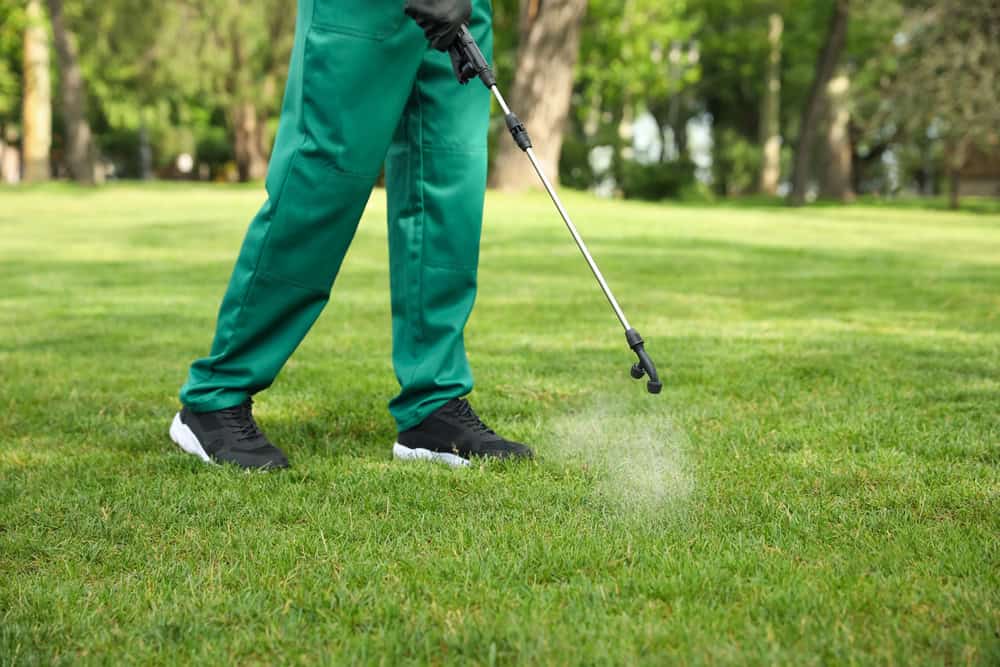
We apply professional-grade fungicides (containing active ingredients like azoxystrobin, propiconazole, or myclobutanil) that target the specific fungus affecting your lawn. These products stop spore reproduction and prevent spread to healthy grass.
Step 3: Cultural Recommendations
Fungus thrives in certain environmental conditions (overwatering, poor soil drainage, excessive shade, high humidity). We provide specific recommendations to prevent recurrence, such as adjusting irrigation schedules, improving airflow, or changing mowing height.
Step 4: Follow-Up Monitoring
We check back in 7-14 days to ensure the fungus is under control and grass is recovering. Severe infections may require a second fungicide application with a different mode of action to prevent resistance.
Preventative vs. Curative Fungicide
For all St. Augustine customers on the 7-treatment program, Brian recommends a preventative fungicide every spring and fall.
During the Feb/Mar pre-emergent and Sept/Oct pre-emergent visits, he adds fungicide directly to the tank at:
- Reduced chemical rate (lower than curative treatments)
- Reduced price (since he's already on-site, no extra trip)
Preventative fungicide is not foolproof, but it significantly reduces the lawn's exposure to fungal disease and keeps outbreaks from being as severe. Most customers opt in. Brian has seen real results over the years.
Curative treatments (when fungus has already appeared) use higher chemical rates.
Signs Your Lawn Has Fungus
What's Included in Fungicide Treatment
Preventing Lawn Fungus
Watering Practices
- Water early morning (6-10 AM) so grass dries before evening, reducing leaf wetness period
- Avoid evening watering (grass stays wet all night → fungus thrives on prolonged moisture)
- Water deeply and infrequently (1 inch per week) rather than light, daily watering that keeps canopy humid
Mowing Practices
- Keep mower blades sharp (dull blades tear grass, creating entry points for fungal spores)
- Mow at proper height (St. Augustine: 3-4 inches, Bermuda: 1-2 inches)
- Don't remove more than 1/3 of blade height in single mowing to avoid plant stress
Fertilization
- Avoid excessive nitrogen during hot, humid weather (promotes lush growth susceptible to disease)
- Balanced fertilization keeps grass healthy and resistant to disease with proper cell wall development
Drainage and Airflow
- Improve drainage in low spots where water pools and creates anaerobic conditions
- Trim back tree branches to increase sunlight penetration and airflow
- Aerate compacted soil to improve water infiltration and oxygen exchange
When to Treat Lawn Fungus
Immediate treatment recommended if:
- You see circular brown patches expanding daily
- Grass is thinning rapidly in shaded areas
- You notice lesions or spots on grass blades
- Sections of lawn smell musty or foul from fungal mycelium
Don't wait. Lawn fungus spreads quickly through spore dispersal. What starts as a small patch can overtake 25-50% of your lawn within a week under the right conditions (warm temperatures, high humidity, leaf wetness).
Service Areas
We provide professional fungicide treatment services in:
Frisco, TX
Little Elm, TX
We also serve surrounding areas including Oak Point, Cross Roads, Lakewood Village, and nearby communities. Call (214) 995-9369 to confirm service availability.
Frequently Asked Questions
You'll see fungal spread stop within 3-7 days as the fungicide inhibits spore germination. Full grass recovery takes 2-4 weeks depending on severity. Severely damaged areas may require overseeding.
Yes, once the product has dried. We use EPA-registered fungicides with low toxicity to humans and animals when applied according to label guidelines.
Most fungal infections require only one fungicide application. Severe infections or lawns with ongoing moisture issues may need a follow-up treatment 14-21 days later with a different active ingredient.
DIY fungicides available at hardware stores are less effective than professional products and often lack systemic activity. They also require precise timing, proper diagnosis, and correct application rates to work. Misapplying fungicide can make the problem worse by promoting resistant strains.
Recurring fungus usually means an underlying cultural problem: overwatering, poor drainage, excessive shade, or nutrient deficiency (especially nitrogen imbalance). We'll identify the root cause and provide recommendations to break the cycle.
Fungicide applications are reactive and situational. Because fungal activity depends on weather conditions, irrigation practices, and overall lawn health, it isn't possible to predict exactly when a lawn will develop fungus. Fungicide is applied as needed when outbreaks occur. However, for lawns with St. Augustine grass, preventative fungicide applications in the spring and fall are recommended to help reduce the risk of fungal outbreaks during peak seasons.
Brown patch (Rhizoctonia solani) kills grass blades but usually not the crown or roots (unless infection is severe). Grass typically recovers within 2-4 weeks once fungus is controlled and favorable conditions return.
Yes, for St. Augustine customers on the 7-treatment program, Brian recommends it during spring/fall pre-emergent visits at a reduced rate and price.
Ready to Get Started?
Don't let lawn fungus destroy your yard. Get professional diagnosis and treatment today.
Call or text Brian: (214) 995-9369
Email: [email protected]
Service areas: Frisco, Little Elm, and surrounding North Texas communities
Licensed by Texas Department of Agriculture (License #0823737)