Tree & Shrub Fertilization
in North Texas
Keep Your Trees and Shrubs Healthy Year-Round
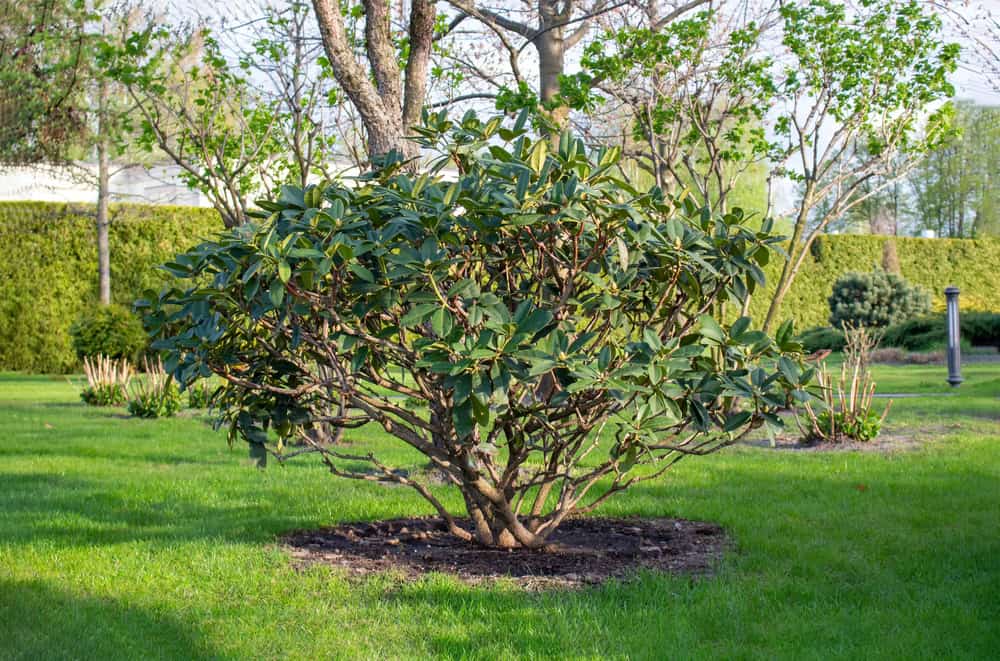
Trees and shrubs are just as important as your lawn. They provide shade, increase property value, and define your landscape. But they need proper nutrition to stay healthy, especially in North Texas' challenging clay soil with limited nutrient availability.
North Texas Lawn Solutions provides professional tree and shrub fertilization using deep root feeding techniques. Brian Milliken, Texas Department of Agriculture licensed professional, delivers nutrients directly to root zones where trees can actually use them.
Call (214) 995-9369 for a free quote.
Why Trees and Shrubs Need Fertilization
In natural forests, trees get nutrients from decomposing leaves, organic matter, and healthy soil ecosystems with active microbial populations. But in residential landscapes, we remove fallen leaves, compact soil with foot traffic and mowers, and plant trees in clay soil that lacks organic matter and essential nutrients.
Signs your trees and shrubs need fertilization:
- Yellowing leaves or chlorosis (iron deficiency, common in alkaline soils)
- Stunted growth or small leaves (nitrogen deficiency)
- Sparse canopy with visible branches (inadequate nutrient uptake)
- Early leaf drop in fall (nutrient stress)
- Increased susceptibility to pests and disease (weakened plant defenses)
- Weak branch structure (insufficient potassium for cell wall development)
Trees and shrubs that don't get proper nutrition become stressed, weak, and vulnerable to drought, disease (like oak wilt or powdery mildew), and insect damage (borers, aphids). Regular fertilization keeps them vigorous and resilient.
Our Deep Root Feeding Method
Step 1: Soil Injection
We use a specialized probe that injects liquid fertilizer under pressure into the root zone. This bypasses compacted clay soil layers and delivers nutrients where feeder roots can absorb them through root hairs.
Step 2: Nutrient Formulation
We use a balanced fertilizer blend with nitrogen (N), phosphorus (P), potassium (K), and essential micronutrients (iron, manganese, zinc) specifically formulated for North Texas trees and shrubs. The NPK ratio is adjusted based on plant type and soil test results.
Step 3: Coverage Area
We treat the entire drip line (the area beneath the outer edge of the canopy where rain drips) where feeder roots are most active. This ensures even nutrient distribution throughout the root system.
Step 4: Watering Recommendation
After treatment, we provide watering instructions to help nutrients absorb and move through the soil profile via mass flow and diffusion.
Benefits of Tree & Shrub Fertilization
What We Fertilize
Trees:
- Live oak (Quercus virginiana)
- Red oak (Quercus rubra)
- Cedar elm (Ulmus crassifolia)
- Bur oak (Quercus macrocarpa)
- Southern magnolia (Magnolia grandiflora)
- Crape myrtle (Lagerstroemia indica)
- Bradford pear (Pyrus calleryana)
- Redbud (Cercis canadensis)
- Flowering trees (ornamental cherry, plum, crabapple)
Shrubs:
- Azaleas (Rhododendron spp.)
- Boxwood (Buxus spp.)
- Holly (Ilex spp.)
- Nandina (Nandina domestica)
- Loropetalum (Loropetalum chinense)
- Indian hawthorn (Rhaphiolepis indica)
- Knockout roses (Rosa 'Radrazz')
- Ornamental grasses (Miscanthus, Pennisetum)
When to Fertilize Trees and Shrubs
Spring
(March-April)
Fall
(September-October)
Avoid summer fertilization
What's Included in Tree & Shrub Fertilization
Tree & Shrub Fertilization vs Lawn Fertilization
Different needs:
Trees and shrubs need different nutrient ratios than turfgrass. Lawn fertilizer is high in nitrogen (often 4-1-2 ratio) for rapid blade growth. Trees need balanced nutrition with more phosphorus and potassium (typically 3-1-2 or 2-1-1 ratio) for root and woody tissue development.
Application methods:
Lawn fertilizer sits on the surface. Tree fertilizer must reach deep roots at 6-12 inches. Surface application doesn't work on trees: nutrients can't penetrate compacted clay soil layers.
Different timing:
Lawns get 7 treatments per year during active growth. Trees get 1-2 treatments per year (spring and fall). Over-fertilizing trees causes weak, excessive growth (succulent tissue) that's prone to breakage and disease.
Service Areas
We provide professional tree and shrub fertilization services in:
Frisco, TX
Little Elm, TX
We also serve surrounding areas including Oak Point, Cross Roads, Lakewood Village, and nearby communities. Call (214) 995-9369 to confirm service availability.
Frequently Asked Questions
Once per year (spring) is sufficient for most established trees and shrubs. Stressed or newly planted trees may benefit from two applications (spring and fall) to support establishment and root development.
If yellowing is caused by nutrient deficiency (especially iron chlorosis from high pH soils, which is common in North Texas with pH 7.5-8.5), you'll see improvement within 2-4 weeks. If yellowing is caused by disease, pests, or root damage, fertilization alone won't fix it.
Yes, but we use a lighter application rate. Newly planted trees need nutrients to establish roots, but too much fertilizer can burn tender root systems and damage root hairs.
Yes. Professional deep root feeding delivers nutrients directly to feeder roots without damaging the tree structure. We avoid injecting near the trunk where structural roots and root collar are located.
Yes. Fruit trees (like apple, pear, peach, plum) have higher nutrient demands than ornamental trees. We use a fertilizer blend formulated for fruiting trees to support flowering, fruit set, and overall tree health with adjusted NPK ratios.
Surface fertilizers (spikes, granules) don't reach deep roots in clay soil. They typically stay in the top 2-3 inches. Proper deep root feeding requires specialized injection equipment that most homeowners don't have. DIY methods are less effective and may waste money on nutrients that never reach the root zone.
Ready to Get Started?
Give your trees and shrubs the nutrition they need to thrive. Get professional deep root feeding today.
Call or text Brian: (214) 995-9369
Email: [email protected]
Service areas: Frisco, Little Elm, and surrounding North Texas communities
Licensed by Texas Department of Agriculture (License #0823737)