
Grub Control Services
in Little Elm, TX
What Are Grubs and Why Are They a Problem in Little Elm?
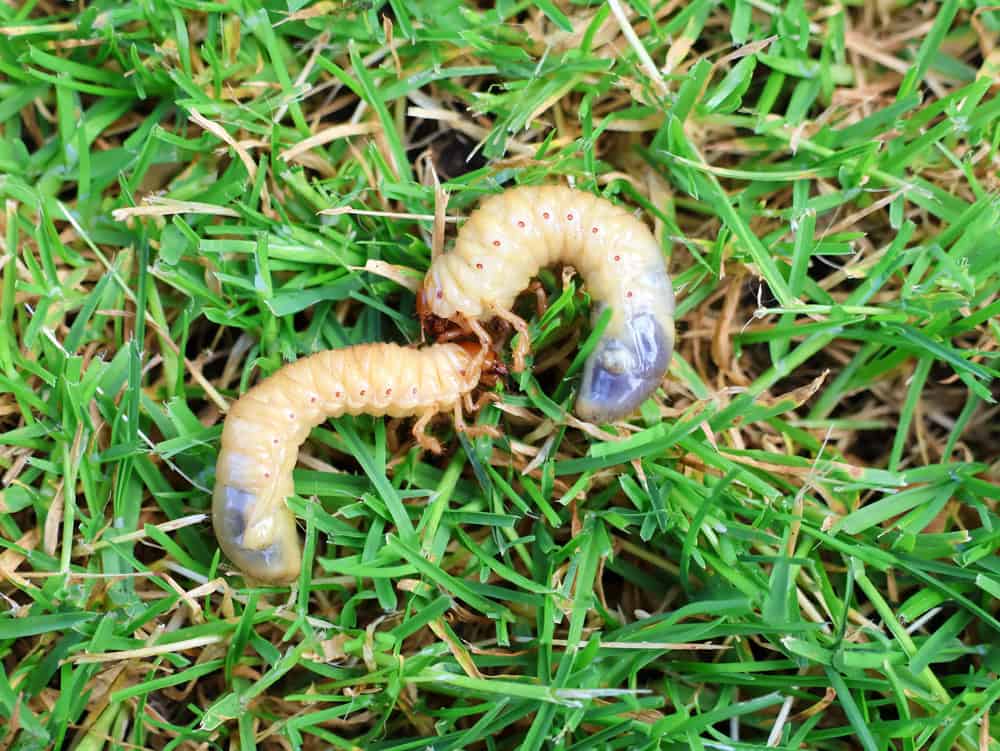
Grubs are the larval stage of several beetle species, most commonly June beetles (also called June bugs or May beetles). These C-shaped, cream-colored larvae live in your soil and feed on grass roots from late summer through spring. When grub populations get high enough, they can destroy large sections of your lawn in a matter of weeks.
Little Elm lawns face unique grub challenges:
Newer Construction Soil: Many Little Elm neighborhoods like Paloma Creek and Lakeside were built in the last 10-15 years. New construction soil is often compacted and less established, making lawns more vulnerable to grub damage. Healthy, mature lawns can tolerate small grub populations, but newer lawns struggle.
Bermuda and St. Augustine Mix: Little Elm yards typically have Bermuda grass (drought-tolerant) or St. Augustine (shade-tolerant). Both can be damaged by grubs, but St. Augustine shows symptoms faster because its root system is shallower.
Lewisville Lake Humidity: Living near Lewisville Lake means slightly higher humidity than Frisco or other inland areas. Beetles are attracted to irrigated lawns near water sources, leading to more egg-laying activity in summer.
For the full picture, see our complete grub control program for North Texas.
Grub Life Cycle in Little Elm
- June-August: Adult beetles emerge, mate, and lay eggs in your lawn (peak egg-laying is July)
- August-October: Eggs hatch and grubs begin feeding on roots (this is when damage appears)
- November-April: Grubs burrow deeper to overwinter, then return to feed in spring
- May-June: Grubs pupate and emerge as adult beetles, starting the cycle again
Most grub damage in Little Elm appears between late August and early October, after grubs have been feeding for 4-6 weeks. By the time you see brown patches, the damage is already done. That's why preventative treatment (May-July) is the best strategy.
Grub Damage vs. Drought Stress: How to Tell the Difference
Here's how to know:
Signs of Grub Damage
- Brown patches that don't respond to watering (if you water heavily and the grass stays brown, suspect grubs)
- Grass pulls up easily like a carpet (roots have been eaten)
- Irregular brown patches that expand over time (not uniform like drought stress)
- Spongy or soft feel when you walk on affected areas
- Visible grubs in soil (dig up a 1-square-foot section and look for C-shaped white larvae)
- Birds, skunks, or raccoons digging in your lawn (they're after grubs)
Signs of Drought Stress
- Grass turns blue-gray before browning (grub damage goes straight to brown)
- Footprints stay visible when you walk on the lawn (stressed grass doesn't spring back)
- Recovers after deep watering (grub-damaged grass won't recover, even with water)
- Uniform browning across the entire lawn (grub damage is patchy)
- The Pull Test: Grab a handful of brown grass and pull. If it lifts up easily with no roots attached, you have grubs. If it resists and has roots, it's likely drought stress.
Preventative vs. Curative Grub Control: Which Do You Need?
Preventative Grub Control (May-July)
What it is: A soil-applied insecticide that targets grubs before they hatch. Applied in late spring or early summer, it creates a protective barrier that kills grubs as they emerge from eggs.
Best for:
- Homeowners who've had grub problems in the past
- Lawns near wooded areas or lakes (high beetle activity)
- Proactive protection before damage occurs
When to apply: May 15 - July 31 (before beetles lay eggs)
Active ingredients: Imidacloprid, thiamethoxam, or chlorantraniliprole
How long it lasts: 3-4 months of protection (covers the critical August-October feeding period)
Cost: Typically less expensive than curative treatment because it prevents damage rather than fixing it
Advantages:
- Stops grubs before they cause damage
- One application protects for the entire season
- Less disruptive (no visible damage to repair)
Disadvantages:
- Must be applied at the right time (too early or late and it won't work)
- Doesn't help if grubs are already feeding
Curative Grub Control (August-October)
What it is: A fast-acting insecticide that kills existing grubs. Applied when damage is already visible or when grub populations are confirmed to be high.
Best for:
- Homeowners with visible brown patches (confirmed grub damage)
- Emergency treatment when preventative window is missed
- Reactive treatment after seeing damage
When to apply: August-October (when grubs are actively feeding near the surface)
Active ingredients: Carbaryl, trichlorfon, or bifenthrin
How fast it works: 7-14 days to kill grubs, 4-8 weeks for grass to recover
Cost: Typically more expensive than preventative because it requires immediate action and may need repeat applications
Advantages:
- Works fast when damage is present
- Can be applied any time grubs are active (late summer through early spring)
Disadvantages:
- Damage has already occurred (grass needs time to recover)
- May require overseeding or repair in heavily damaged areas
- Doesn't prevent next year's grubs
Which Treatment We Recommend for Little Elm
If you've never had grubs: Skip preventative treatment unless you see beetle activity in June-July or have neighbors with grub problems. Most Little Elm lawns don't need annual preventative grub control.
If you've had grubs before: Preventative treatment in May-June is your best bet. Grubs tend to return to the same areas year after year (beetles lay eggs where they emerged).
If you have damage now: Curative treatment ASAP, then plan for preventative treatment next spring.
Free Inspection: Not sure which you need? Call Brian at (214) 995-9369 and he'll come take a look. Brian will dig up a test section, count the grubs, and give you an honest recommendation. If you don't need treatment, he'll tell you.
The Grub Control Process: What to Expect
Step 1: Free Inspection (15-20 minutes)
Brian will come to your property and:
- Inspect brown or damaged areas
- Perform the pull test to check for root damage
- Dig up 1-2 test sections to count grubs
- Identify whether the problem is grubs, drought, disease, or something else
- Recommend preventative or curative treatment (or no treatment if it's not needed)
- Provide a same-day quote
No obligation. If Brian doesn't find grubs, we won't recommend treatment. If he finds another issue (fungus, chinch bugs, poor irrigation), he'll tell you what he sees.
Step 2: Treatment Application
For preventative treatment:
- We apply a granular or liquid insecticide to your entire lawn
- We water it in immediately (or you can water within 24 hours)
- Product activates in soil and creates a protective barrier
- Protects for 3-4 months (entire grub season)
For curative treatment:
- We apply a fast-acting insecticide to affected areas (or entire lawn if population is widespread)
- We water it in immediately to move product into the soil where grubs are feeding
- Product kills grubs within 7-14 days
- Dead grubs stop feeding, grass begins recovering
Step 3: Communication & Documentation
After every service, you'll receive:
- Day-before text reminder: "We'll be treating your lawn tomorrow between 9 AM-12 PM"
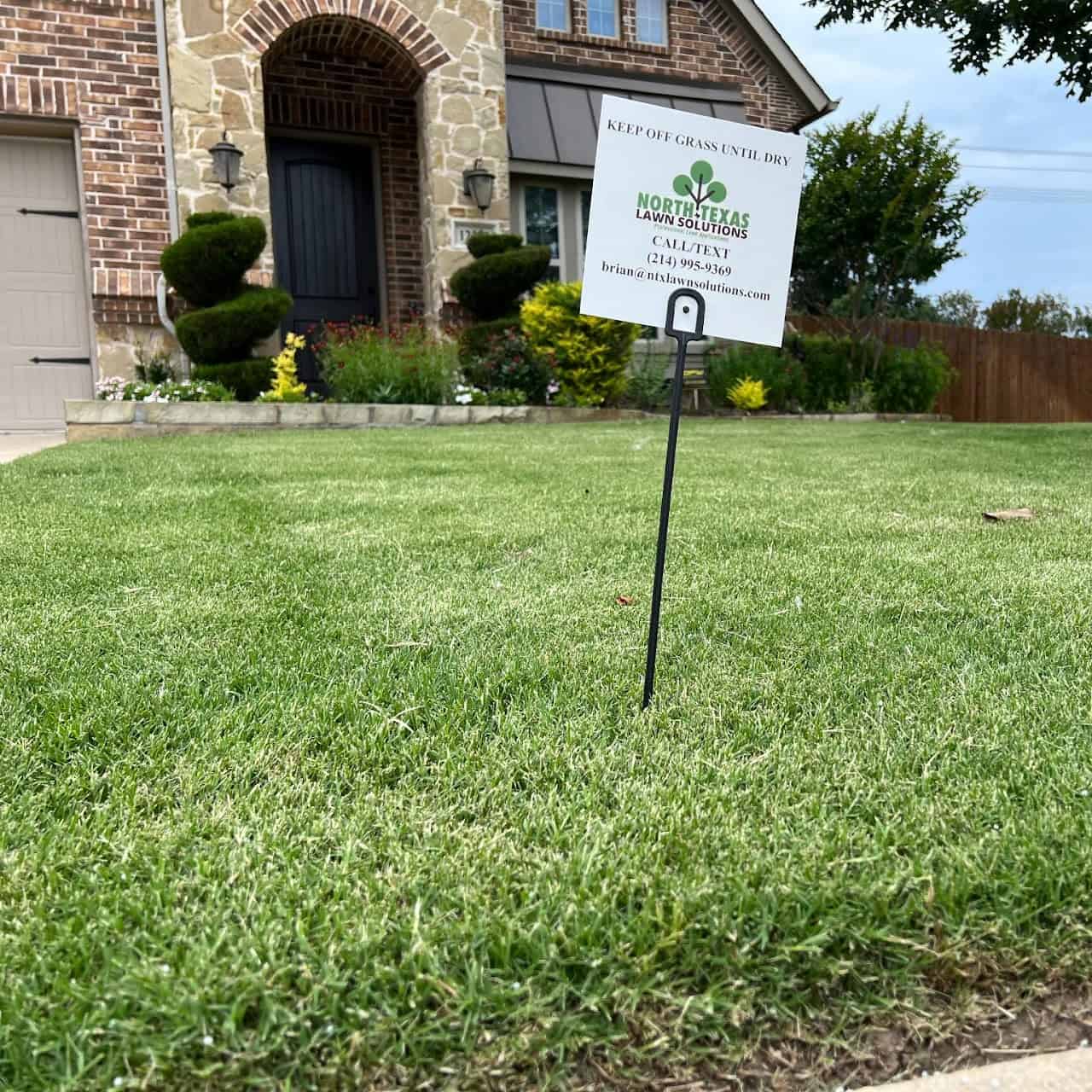
- Yard sign: Left in your yard after treatment (shows it's been serviced)
- Door note: Detailed service note (date, time, temperature, wind conditions, products used, watering instructions)
You'll know exactly when Brian was there, what was done, and what to do next.
Step 4: Follow-Up
For preventative treatment:
- No follow-up needed unless you see grub damage (rare)
- We'll check back in September to see how your lawn looks
For curative treatment:
- We'll follow up in 2-3 weeks to check progress
- If grubs are still present (rare), we'll retreat at no charge
- If damage is severe, we'll recommend overseeding or repair options
Pricing & Service Options
Grub Control Pricing
Pricing for grub control depends on lawn size and treatment type:
Preventative Treatment (May-July):
- Typically included as an add-on to our 7-treatment fertilization and weed control program
- Standalone pricing: $75-$150 depending on lawn size
- One application protects for the entire season
Curative Treatment (August-October):
- Emergency pricing: $100-$200 depending on lawn size
- May require repeat application if population is severe
- Includes follow-up inspection
Free Quote: Call (214) 995-9369 or text Brian your address and approximate lawn size. We'll provide same-day pricing.
Service Options
Option 1: Standalone Grub Control
- One-time treatment (preventative or curative)
- Ideal for homeowners who only need grub control
- No contract, no commitment
Option 2: Add-On to 7-Treatment Program
- Grub control included as part of annual program
- Combines with fertilization and weed control for comprehensive lawn care
- Best value for year-round protection
Option 3: Insect Control Package
- Includes grub control, fire ant control, and chinch bug prevention
- Comprehensive protection against all lawn insects
- Discounted pricing vs. individual services
No Contracts: All services are month-to-month. Cancel anytime with 30 days notice.
Why Our Pricing Is Transparent
We don't do "free estimates" that turn into high-pressure sales calls. When you call, Brian will ask:
1. Your address (to confirm we serve your area)
2. Your approximate lawn size (or Brian will measure on-site)
3. What symptoms you're seeing (or if you want preventative treatment)
Then we'll give you a same-day quote over the phone or after a quick inspection. No surprises, no hidden fees, no upselling.
Common Questions About Grub Control in Little Elm
Grub damage appears as irregular brown patches that don't respond to watering. The grass pulls up easily like a carpet because the roots have been eaten. Drought stress causes uniform browning across the lawn, and the grass recovers after deep watering. If you're not sure, Brian will do a free inspection and show you the difference.
Not necessarily. If you've never had grubs, you probably don't need preventative treatment. But if you've had grub damage in the past, or if you live near wooded areas or Lewisville Lake, annual preventative treatment in May-June is a good idea. Grubs tend to return to the same areas year after year.
Preventative treatment typically costs $75-$150 depending on lawn size. Curative treatment costs $100-$200. We provide same-day quotes over the phone or after a free inspection. No surprises.
For preventative treatment, May 15 - July 31 is ideal (before beetles lay eggs). For curative treatment, August-October works best (when grubs are actively feeding). If you see damage in late summer, call Brian ASAP. The sooner we treat, the less damage you'll have.
We use products that are safe when applied correctly. After treatment, we recommend keeping pets and kids off the lawn until it's been watered in (usually 2-4 hours). Once the product is absorbed into the soil, it's safe for normal use. We'll provide specific instructions on your door note.
You can, but timing and application are critical. If you apply too early or too late, the product won't work. If you under-apply, you won't kill enough grubs. If you over-apply, you'll waste money and potentially harm beneficial insects. We have the equipment and experience to apply the right amount at the right time, which is why professional treatment usually works better than DIY.
If you have preventative treatment and still see grub damage during the season, we'll retreat at no charge. If you have curative treatment and grubs survive, we'll retreat at no charge. Our goal is to solve the problem, not just take your money.
Get a Free Grub Inspection Today
Not sure if you have grubs? Call Brian at (214) 995-9369 and he'll come take a look. Brian will inspect your lawn, dig up a test section, count the grubs, and give you an honest recommendation. No charge, no obligation.
Know you need treatment? Call for same-day pricing. Brian will ask a few questions about your lawn and provide a quote over the phone.
Preventative treatment (May-July): Protect your lawn before damage occurs. Call early for best results.
Curative treatment (August-October): Emergency treatment when damage is visible. Call ASAP to minimize damage.
Phone: (214) 995-9369
Text: Same number
Email: [email protected]
Hours: Monday-Saturday, 8 AM - 6 PM (emergency calls accepted evenings and Sundays)