
Grub Control Services
in North Texas
Protect Your Lawn from Grub Damage
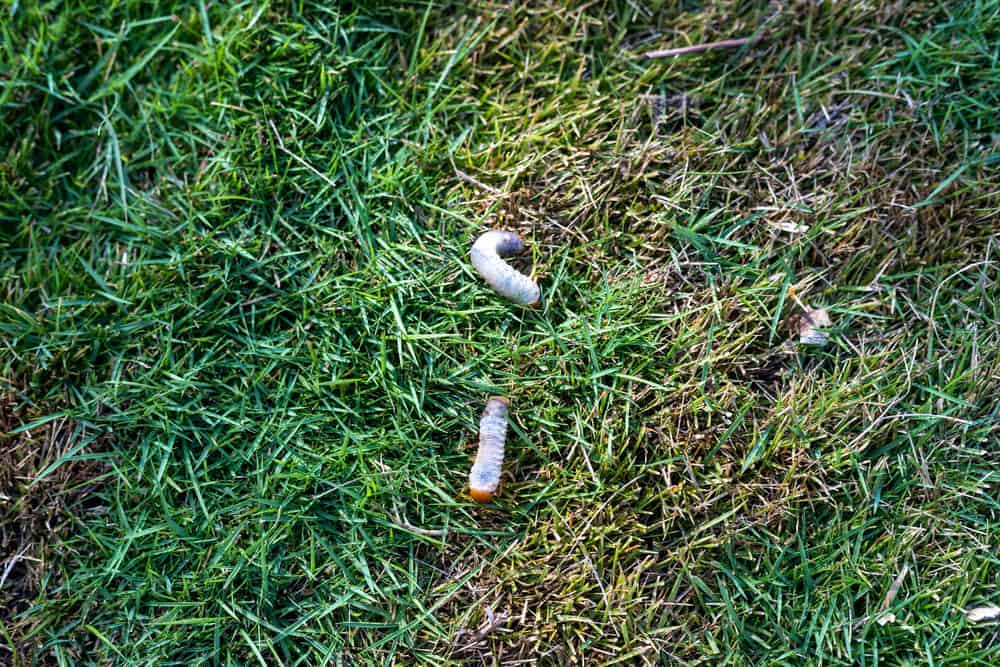
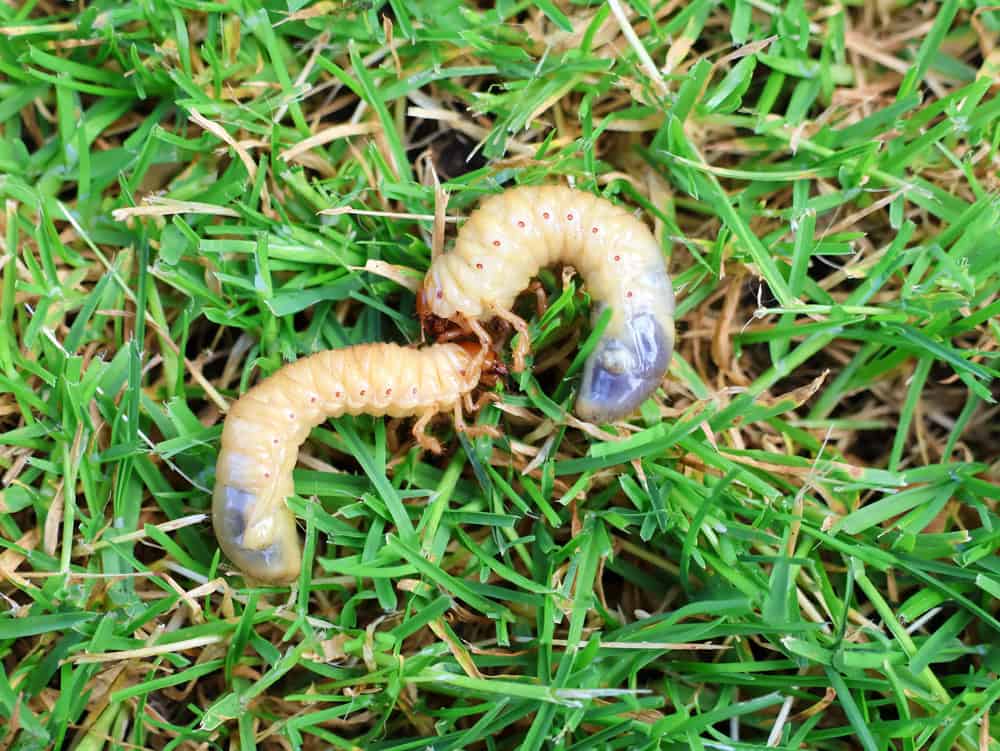
White grubs (the larval stage of several beetle species) are one of the most destructive lawn pests in North Texas. These C-shaped beetle larvae feed on grass roots below the soil surface, creating dead patches that peel away like carpet. By the time you notice the damage, it's often extensive.
North Texas Lawn Solutions provides both preventative and curative grub control treatments to protect your lawn. Brian Milliken, Texas Department of Agriculture licensed professional, knows exactly when to apply treatments for maximum effectiveness in our region.
Call (214) 995-9369 for a free quote.
What Are Grubs and Why Are They a Problem?
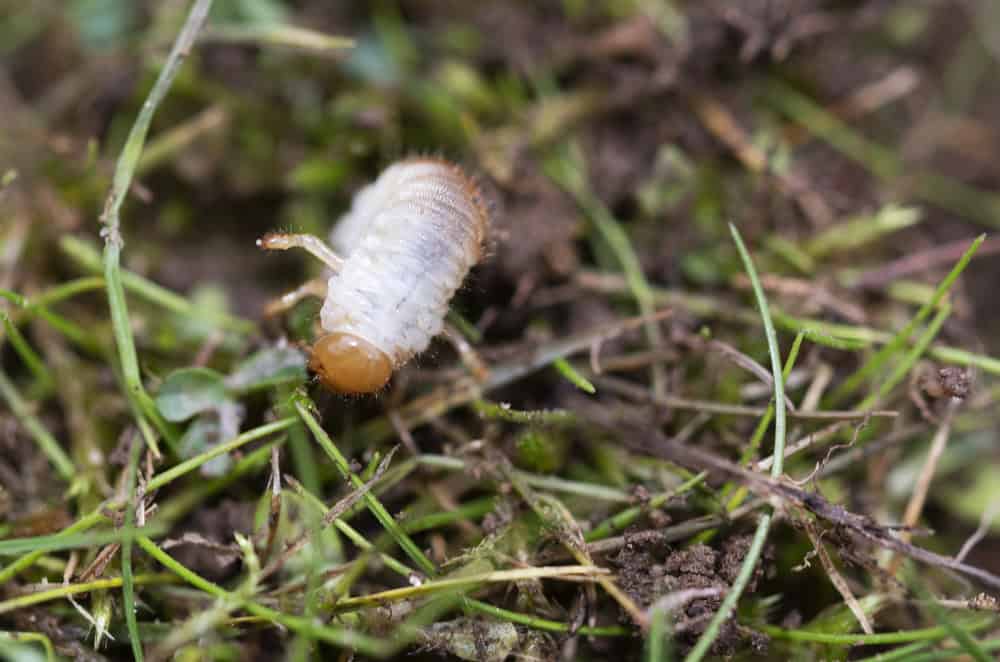
Grubs are the larvae of several scarab beetle species, including June bugs (Phyllophaga spp.), Japanese beetles (Popillia japonica), and May/June beetles. They live underground in the soil and feed on grass roots from late summer through early spring.
Signs of Grub Damage:
- Brown, dead patches that appear suddenly in late summer or fall
- Grass that feels spongy or loose when you walk on it
- Sections of lawn that peel back like carpet (roots are completely gone)
- Increased bird, skunk, or armadillo activity digging in your lawn (they eat grubs as a food source)
- Wilting grass that doesn't respond to watering
Grubs are most active in late summer and early fall when they reach their third larval instar (largest feeding stage). A single grub won't kill your grass, but infestations of 10+ grubs per square foot can destroy large sections of lawn in just a few weeks by severing roots.
Our Grub Control Approach
Preventative Grub Control
Applied in late spring to early summer (May-June), preventative treatments stop grubs before they hatch. We use a long-lasting insecticide (typically containing imidacloprid or thiamethoxam as active ingredients) that creates a protective barrier in the soil. When beetle larvae hatch and begin feeding on roots, they ingest the product and die before causing damage.
Best for: Homeowners who have had grub problems in the past or want to prevent future infestations.
Timing is critical: Preventative treatments must be applied before grubs hatch from eggs laid by adult beetles. Miss this application window, and you'll need a curative treatment instead.
Curative Grub Control
Applied in late summer to early fall (August-October) when grubs are actively feeding in the root zone. Curative treatments use fast-acting insecticides (typically containing carbaryl or trichlorfon) that kill existing grubs that are already damaging your lawn.
Best for: Lawns showing active grub damage or confirmed infestations above treatment threshold.
Results timeline: You'll see grubs die within 7-14 days of application. Grass recovery depends on the severity of root damage—minor damage recovers in 2-4 weeks, severe damage may require overseeding or sodding.
How to Tell If You Have Grubs
DIY Check: Cut a small square of turf (12" x 12") with a spade and peel it back. Count the grubs in the root zone and soil.
-0-5 grubs: Normal population below treatment threshold, no treatment needed
-6-9 grubs: Monitor closely, treatment may be needed if damage appears
-10+ grubs: Treatment recommended immediately to prevent extensive damage
Professional Inspection: Brian can inspect your lawn and determine if grub control is necessary. Some lawns show damage that looks like grubs but is actually drought stress, fungal disease, or other pest issues. Proper diagnosis prevents unnecessary treatment.
What's Included in Grub Control Service
Why Grub Control Matters in North Texas
Grubs thrive in our warm climate and clay soil. North Texas neighborhoods with mature trees and well-maintained landscaping are especially susceptible because adult beetles prefer to lay eggs in healthy, irrigated turf.
Peak grub activity cycle:
-May-June: Adult beetles emerge from soil and lay eggs in turf
-July-August: Eggs hatch and young grubs (first instar) begin feeding on fine roots
-September-October: Grubs reach peak feeding stage (third instar, most destructive)
-November-April: Grubs move deeper in soil (6-12 inches) to overwinter, feeding slows significantly
Most grub damage occurs in late summer and early fall when grubs are largest (up to 1 inch long) and feeding most aggressively on grass roots. That's when you'll see brown patches and birds/skunks tearing up your lawn to eat them.
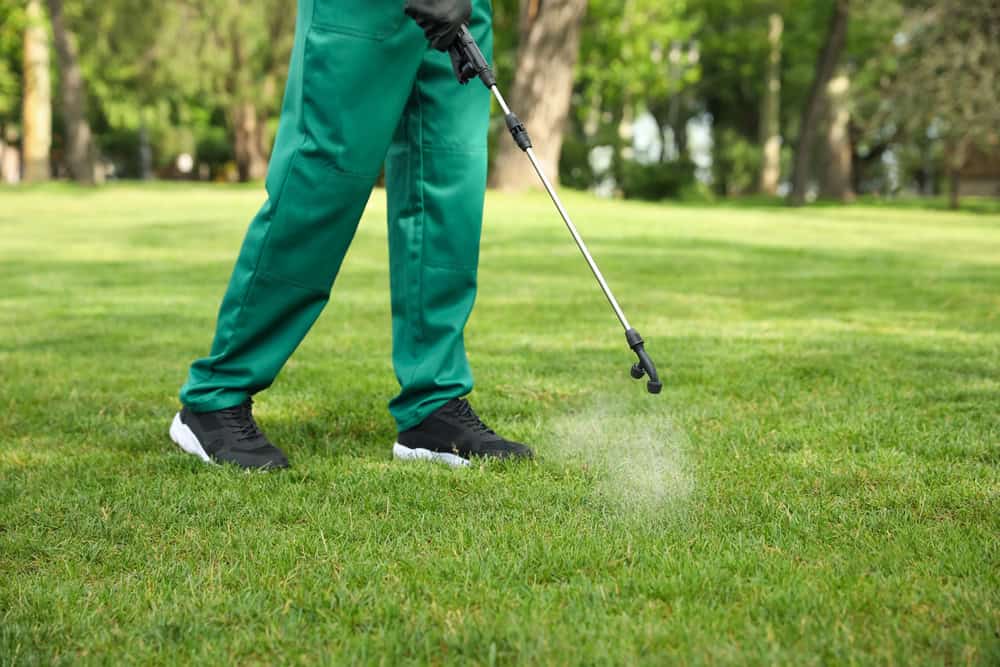
Grub Control Timeline
Preventative Treatment (May-June)
- Applied before grubs hatch from eggs
- Creates protective barrier in top 2-3 inches of soil
- Prevents damage before it starts
- Lasts 3-4 months through peak feeding season
Curative Treatment (August-October)
- Applied when grubs are actively feeding in root zone
- Kills existing grubs within 7-14 days
- Grass recovers in 2-4 weeks (if root damage isn't severe)
- May require overseeding in heavily damaged areas where roots are completely destroyed
Service Areas
We provide professional grub control services in:
Frisco, TX
Little Elm, TX
We also serve surrounding areas including Oak Point, Cross Roads, Lakewood Village, and nearby communities. Call (214) 995-9369 to confirm service availability.
Frequently Asked Questions
Preventative treatments work best in May-June before grubs hatch from eggs. Curative treatments are applied in August-October when grubs are actively feeding in the root zone. Timing is critical for effectiveness—applying curative products too early or too late reduces efficacy.
No. We use products that target beetle larvae without harming turfgrass when applied at proper rates. Proper application rates following label guidelines are safe for established lawns.
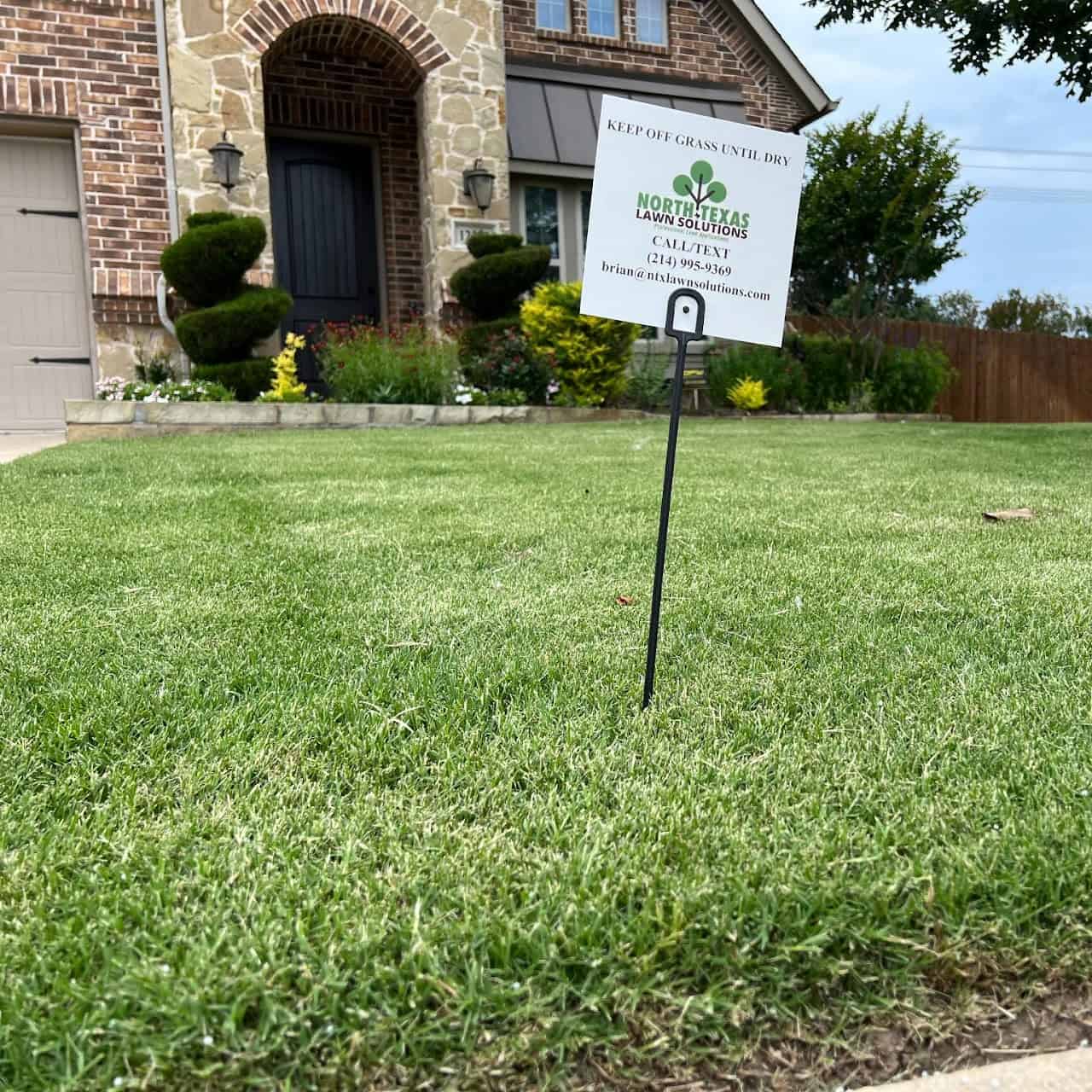
Yes, once the product has been watered in and dried. We recommend keeping pets and kids off treated areas for 24 hours after application and watering to ensure product has moved into the soil profile.
Not necessarily. If you've never had grub damage and don't see signs of infestation, you may not need treatment. However, if you've had problems in the past, preventative treatment each year is recommended to prevent recurring damage cycles.
Yes, if left untreated. Severe infestations can destroy large sections of lawn in just a few weeks by completely severing roots. Early detection and treatment are key to preventing major damage.
Grub damage typically appears as irregular brown patches that peel away easily (roots are completely gone). Drought stress, fungal disease, and other pests cause different damage patterns. Brian can inspect your lawn and confirm the cause through proper diagnosis.
Ready to Get Started?
Don't let grubs destroy your lawn. Get professional grub control today.
Call or text Brian: (214) 995-9369
Email: brian@ntxlawnsolutions.com
Service areas: Frisco, Little Elm, and surrounding North Texas communities
Licensed by Texas Department of Agriculture (#0823737)