Weed Control Services
in Little Elm, TX
Why Weed Control Takes Multiple Treatments
Let's be honest: no lawn care company can make your lawn weed-free with one treatment. That's not how weed control works, no matter what you've heard.
Weeds grow in cycles. Some germinate in spring, others in summer, and some even in fall. Pre-emergent treatments prevent seeds from germinating, but they don't stop weeds that are already growing. Post-emergent treatments kill existing weeds, but they don't prevent new seeds from sprouting.
That's why our 7-treatment program includes both:
- Pre-emergent applications (February-March and September) to create a barrier that stops weed seeds from germinating
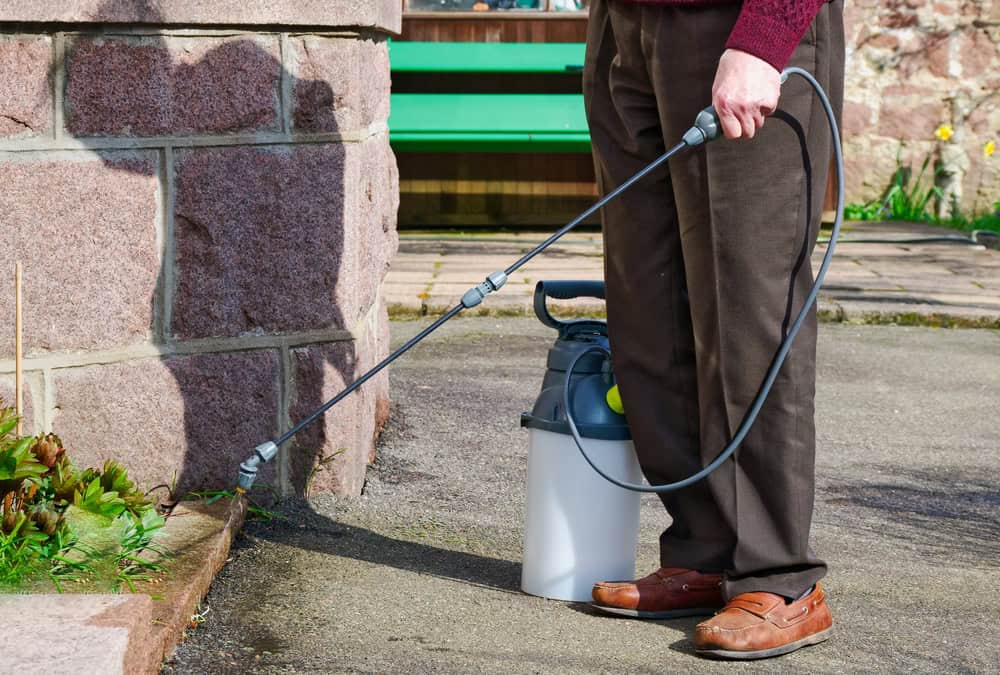
- Post-emergent treatments (April-November) to eliminate weeds that break through or were already established
- Follow-up visits to target stubborn weeds that need a second or third application
This isn't a sales pitch. It's lawn science. And in Little Elm, where we deal with crabgrass, nutsedge, and broadleaf weeds in newer lawns, you need a comprehensive approach that addresses weeds at every stage.
Weed Control in Little Elm: What Makes It Different
Brian lives and works in Little Elm, so we know these lawns. Many homes in Paloma Creek, Lakeside, and other newer developments have lawns that are still establishing. New construction soil is often compacted, has poor drainage, and is full of weed seeds that were disturbed during grading.
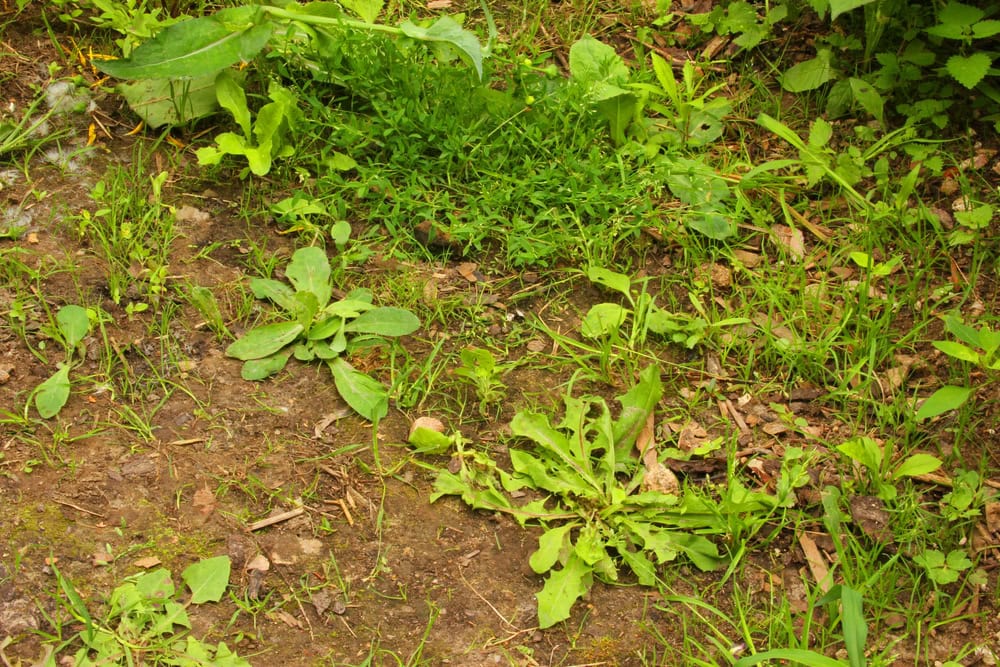
**Common weed challenges in Little Elm:
- Crabgrass in thin areas of Bermuda grass (spreads fast in summer heat)
- Nutsedge in poorly drained areas (looks like grass but it's a sedge, requires special treatment)
- Broadleaf weeds (clover, dandelions, chickweed) in St. Augustine lawns
- Dallisgrass that spreads from vacant lots and unmowed areas
Unlike established neighborhoods in other cities, Little Elm lawns are younger. That means weeds get a foothold more easily, and it takes consistent treatments to push them out while your grass thickens up.
When you call, Brian will explain exactly what weeds you have, why they're there, and what it will take to control them. No overpromises. Just realistic expectations and a plan that works.
Our 7-Treatment Weed Control Program
Visit 1: Pre-Emergent Barrier (February-March)
What to expect: Nothing visible changes immediately. Pre-emergent works silently underground, preventing weeds you'd see in April and May. You'll notice fewer weeds compared to untreated lawns by mid-spring.
Visit 2: Early Spring Treatment (March-April)
What to expect: Winter weeds die off within 7-10 days. Grass starts greening up and thickening.
Visit 3: Late Spring Treatment (May-June)
What to expect: Visible results within 3-5 days for broadleaf weeds. Grassy weeds take 10-14 days. Some stubborn weeds need a second application (we'll come back at no charge).
Visit 4: Summer Treatment (July-August)
What to expect: Nutsedge takes multiple hits to control. We'll treat it as many times as needed during the season. Your lawn should be noticeably cleaner by mid-summer.
Visit 5: Early Fall Treatment (September)
What to expect: You won't see weeds pop up in October-November like untreated lawns.
Visit 6: Late Fall Treatment (October-November)
What to expect: Lawn stays clean going into winter. Roots store energy for strong spring growth.
Visit 7: Winter Treatment (December-January)
What to expect: Confidence that your lawn is protected year-round, not just during growing season.
Communication You Can Count On
One thing we hear from Little Elm customers: "You actually respond when I text or call." That's because it's just Brian. No call center. No ticket system. When you reach out, Brian responds.
Before every visit:
- Text reminder the day before treatment
- Notification of any weather delays
After every visit:
- Door note with treatment details (date, time, temperature, wind conditions, what we applied)
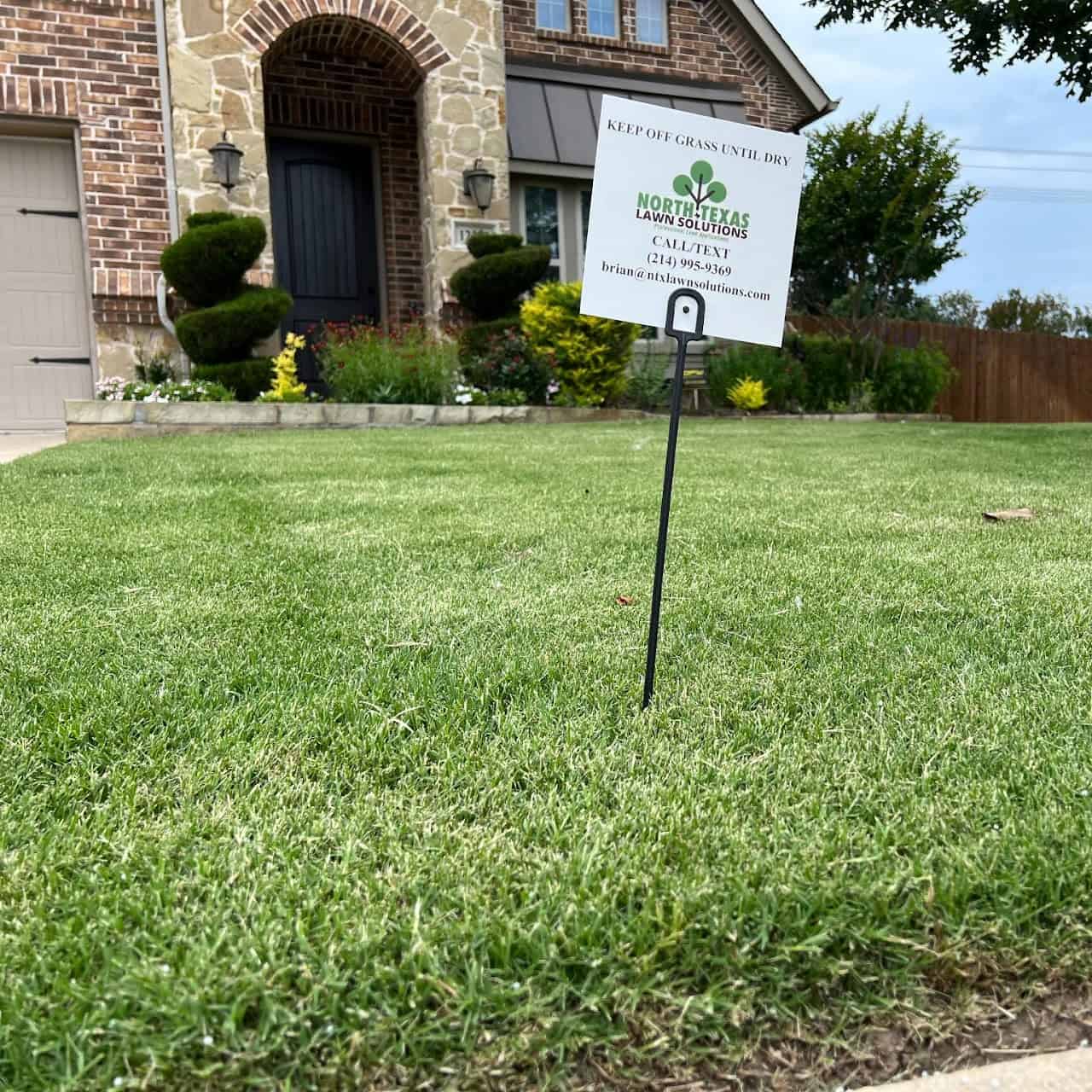
- Yard sign so you know we were there
- Instructions for watering and activity restrictions (if any)
Between visits:
- Text or call Brian anytime with questions or concerns
- We'll come out for a free spot treatment if you see weeds popping up
- No runaround, no automated responses
Frequently Asked Questions
Weeds don't all grow at the same time. Some germinate in spring, some in summer, some in fall. Even with pre-emergent treatments, a few weeds will break through (no barrier is 100% effective). That's why our program includes multiple visits with both pre-emergent and post-emergent treatments.
Also, weed seeds can blow in from unmowed vacant lots, neighbors' lawns, or along fence lines. If your grass is thin, weeds will fill in. The goal is to create thick, healthy grass that naturally crowds out weeds while treating new weeds before they spread.
You'll see visible results from post-emergent treatments within 3-10 days (broadleaf weeds die faster than grassy weeds). But to achieve a consistently weed-free lawn, expect 2-3 full treatment cycles (about 6-9 months).
Here's why: Weeds growing now came from seeds that germinated weeks or months ago. Pre-emergent treatments prevent future germination, but they don't kill existing weeds. It takes time to break the weed cycle and build thick grass.
Newer lawns (common in Little Elm) take longer because the grass is still establishing. Be patient. We'll set realistic expectations based on your specific lawn.
You can, but it's risky. Applying the wrong herbicide at the wrong time can damage your lawn or interfere with pre-emergent treatments. We offer unlimited spot treatments between scheduled visits, so if you see a weed outbreak, just text Brian a photo and we'll come treat it at no extra charge.
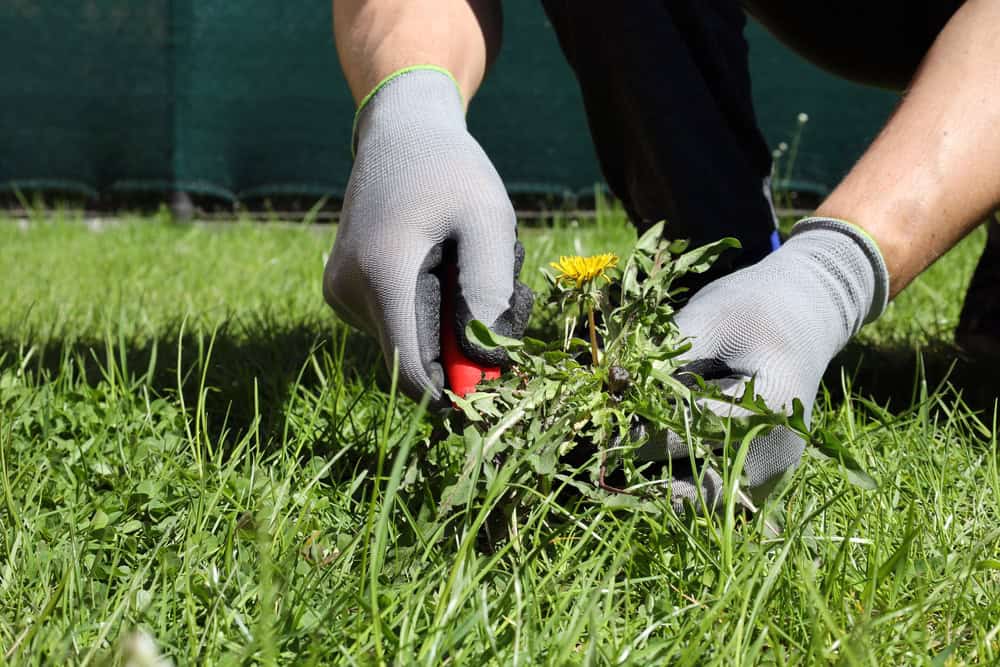
If you want to do something between visits, pull weeds by hand (root and all) after watering. It's effective and doesn't risk herbicide interactions.
We treat all common lawn weeds in Little Elm:
- Grassy weeds: Crabgrass, goosegrass, dallisgrass
- Broadleaf weeds: Dandelions, clover, chickweed, henbit
- Sedges: Nutsedge (yellow and purple)
- Others: Spurge, oxalis, dollarweed
Some weeds (like nutsedge and dallisgrass) require multiple treatments because they spread underground through rhizomes. We'll explain what you have and what it takes to control it.
Yes. Every visit includes weed control (either pre-emergent, post-emergent, or both) along with fertilization. That's why it's called a fertilization and weed control program, not just a fertilization program.
If weeds break through between visits, we'll come back for a free spot treatment. You're not charged extra for follow-up visits.
Organic options for pre-emergent weed control are very limited and less effective than synthetic products like prodiamine or dithiopyr. For post-emergent control, we use selective herbicides that break down quickly in soil. Brian can discuss specific product options when he evaluates your lawn.
Ready for a Weed-Free Lawn?
Ready for a lawn with fewer weeds and thicker grass?** Let us create a custom treatment plan for your Little Elm lawn.
Call (214) 995-9369 for a free quote, or text me a photo of your lawn and I'll give you an exact price. Let's get your lawn back on track.
North Texas Lawn Solutions
Licensed by the Texas Department of Agriculture (TDA #0823737)
Serving Frisco, Prosper, Little Elm, and surrounding areas